Optimal Timing for Curb Cuttings
Curb cuttings are essential modifications to existing sidewalks and curbs to improve accessibility and compliance with standards. The timing of curb cuttings can significantly impact project efficiency, cost, and compliance with local regulations. Proper planning ensures minimal disruption and optimal results.
Late spring and early fall are generally ideal due to moderate weather conditions, reducing delays caused by extreme heat or cold.
Avoid curb cuttings during winter months or periods of heavy rainfall to prevent complications such as freezing or water accumulation.
Align curb cuttings with broader construction or sidewalk repair projects to optimize resource use and minimize disruptions.
Ensure permits are obtained well in advance, and schedule work during approved timeframes to avoid legal or compliance issues.

Spring offers moderate weather, making it suitable for curb modifications.
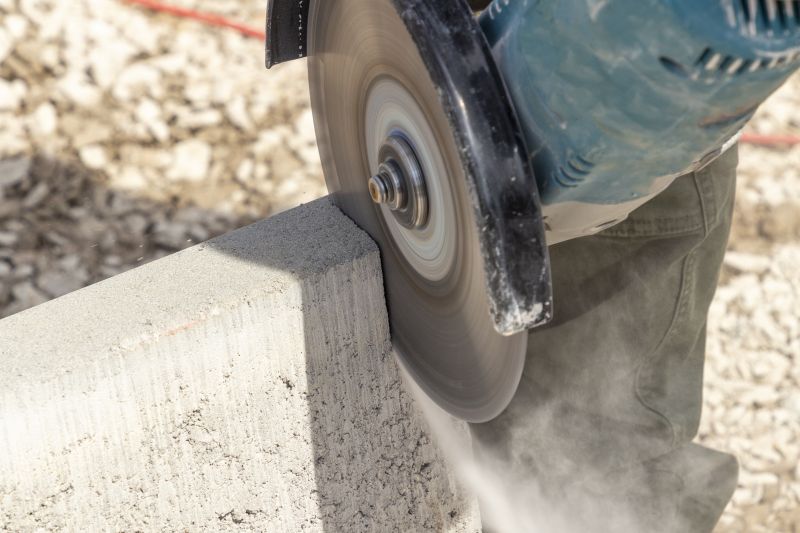
Summer requires careful planning to avoid heat-related delays and ensure worker safety.
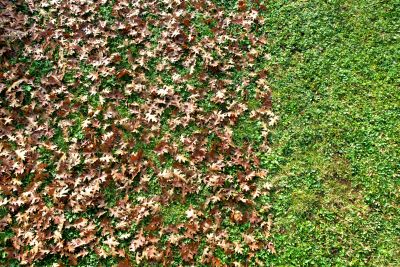
Fall provides favorable conditions with cooler temperatures and less precipitation.
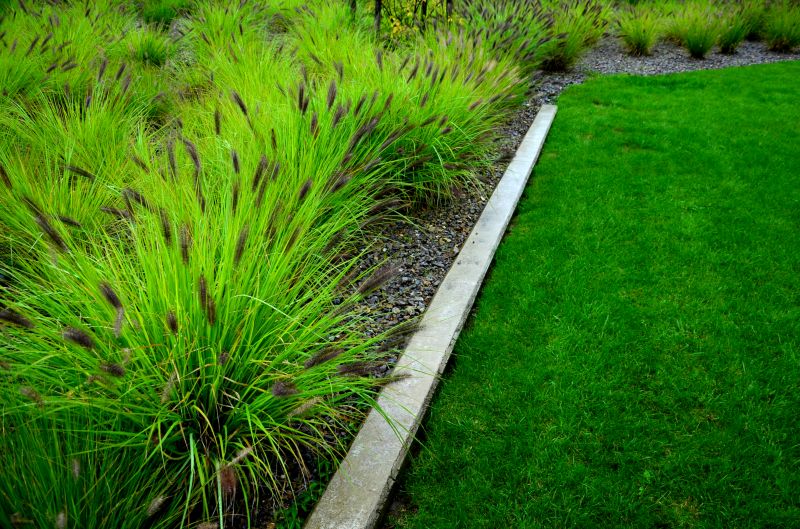
Ways to make Curb Cuttings work in tight or awkward layouts.
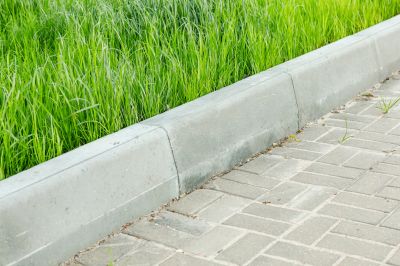
Popular materials for Curb Cuttings and why they hold up over time.

Simple add-ons that improve Curb Cuttings without blowing the budget.

High-end options that actually feel worth it for Curb Cuttings.
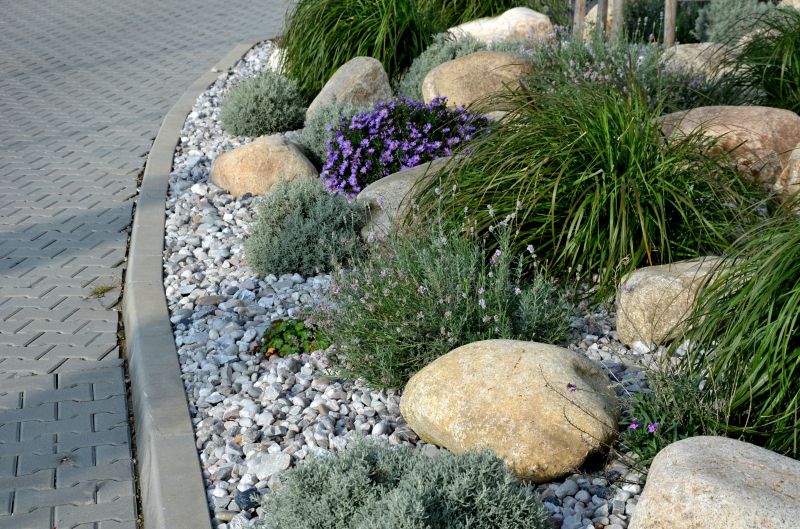
Finishes and colors that play nicely with Curb Cuttings.
| Consideration | Best Practice |
|---|---|
| Weather Conditions | Schedule during moderate temperatures to prevent delays. |
| Construction Coordination | Align with other project phases for efficiency. |
| Permits and Regulations | Plan ahead to secure approvals before work begins. |
| Pedestrian Impact | Perform during low-traffic hours. |
| Seasonal Factors | Choose spring or fall for optimal weather. |
| Material Handling | Avoid winter to prevent material damage. |
| Safety Measures | Ensure proper safety protocols during all seasons. |
Curb cuttings involve precise modifications to existing infrastructure to enhance accessibility and meet regulatory standards. Proper timing minimizes delays, reduces costs, and ensures safety for workers and pedestrians. Planning around weather, construction schedules, and permit requirements is vital for successful execution.
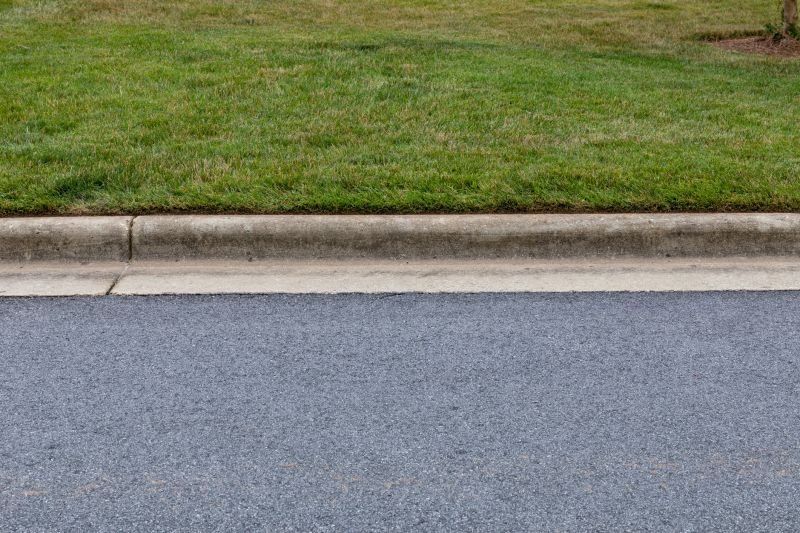
Ideal for moderate weather and minimal disruptions.
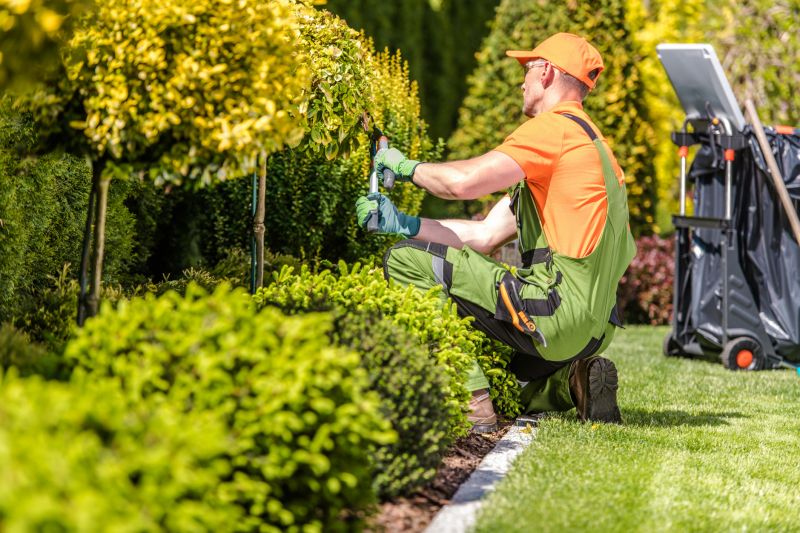
Requires precautions against heat and hydration concerns.

Optimal due to cooler temperatures and less rainfall.
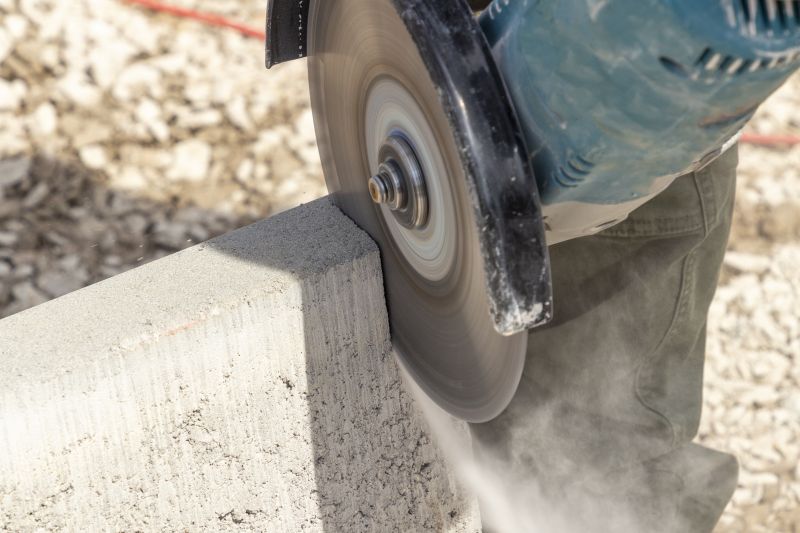
Generally avoided to prevent freezing and safety hazards.

Little measurements that prevent headaches on Curb Cuttings day.
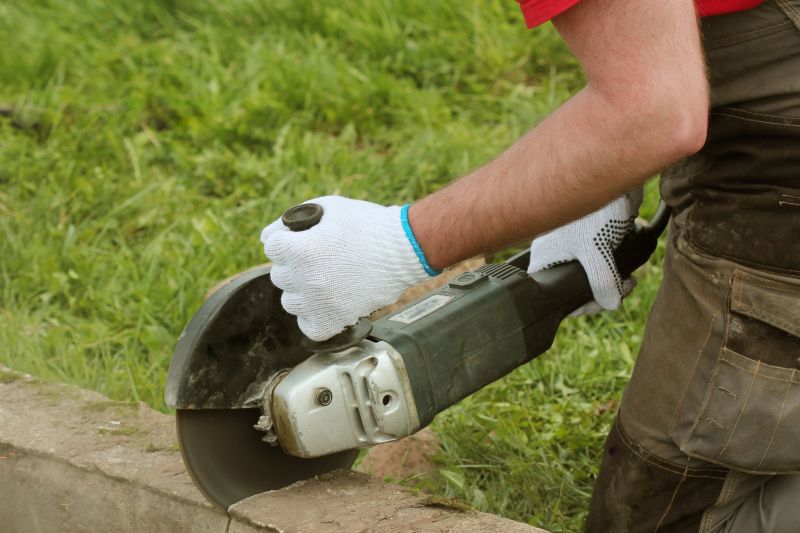
A 60-second routine that keeps Curb Cuttings looking new.

A frequent mistake in Curb Cuttings and how to dodge it.

Small tweaks to make Curb Cuttings safer and easier to use.
Scheduling curb cuttings at appropriate times ensures compliance with local standards and minimizes inconvenience. Proper planning and coordination with other infrastructure projects contribute to efficient execution and long-term accessibility improvements.
Interested in curb cuttings? Fill out the contact form to get more information and schedule an assessment.